




Behind the Tariff Headlines, Industrial Freight Demand Is Having a Strong Year
Most of the industrial supply chain coverage this year has centered on tariffs and trade friction, and understandably so. But the Association of American Railroads’ September 2026 Rail Industry Overview tells a quieter, more encouraging story underneath that noise: across several of the core categories PraxiChain’s industrial practice serves, actual freight volume is strong, broad-based, and in some cases record-setting.
Chemicals: On Pace for a Record Year
Chemical carloads rose year over year for the seventh time in the past eight months through August 2026, helped by low natural gas prices and improving manufacturing health. The AAR notes chemical carloads are on pace to set a new annual record this year, a strong signal for a sector whose own market overview has flagged persistent demand softness. The freight data suggests that softness may be turning.
Steel & Metals: A Five-Year High
Metal products carloads averaged more than 9,000 per week in August, the highest level in nearly five years. That is a meaningful data point for a sector whose fortunes are usually discussed almost entirely through the lens of Chinese overcapacity and tariff policy. The underlying freight volume tells a more constructive domestic demand story than the trade headlines alone would suggest.
Construction Materials: A Three-Year High for Aggregates
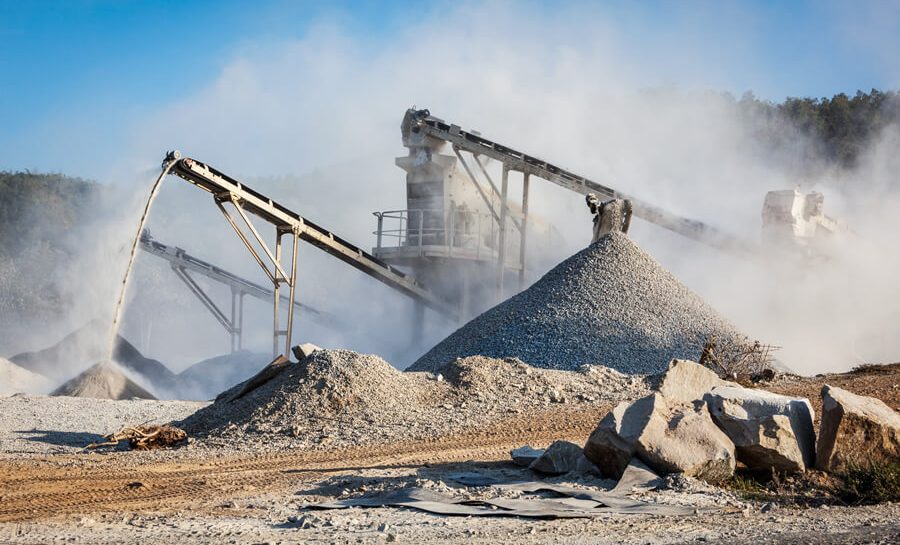
Crushed stone and sand carloads, a reliable proxy for construction activity, hit their highest August level in nearly three years. For a sector as sensitive to interest rates and infrastructure spending as construction materials, that is a genuine bright spot worth factoring into regional capacity and distribution planning.
Grain and Agricultural: A Ten-Month Export-Driven Streak
Grain carloads rose for a tenth straight month in August, and are up 12% year to date through the first eight months of 2026, driven mainly by strong export demand. Grain again posted the biggest absolute year-over-year carload gain of any category the AAR tracks, a sign that despite the well-documented rail capacity and infrastructure constraints in this sector, actual export-driven demand remains robust.
The Backdrop: A Real Manufacturing Recovery, Not Just a Seasonal Blip
These aren’t isolated pockets of strength. The ISM Manufacturing PMI has signaled expansion for eight straight months, with 15 of the 18 industries ISM tracks growing in both July and August, and the AAR’s own Freight Rail Index, which strips out coal and grain to isolate underlying demand, remains near its highest level ever. When chemicals, metals, construction materials, and agricultural exports are all posting gains at the same time, it points to demand strength that is broad rather than concentrated in one favored category.
What This Means for Shippers and Investors
The tariff and trade-policy story is real and worth watching closely, but it isn’t the whole picture. Shippers in chemicals, metals, construction materials, and grain are operating in a genuinely stronger demand environment than the headlines alone would suggest, which argues for locking in capacity and service commitments now rather than waiting for more clarity on trade policy that may not meaningfully change the underlying volume trend. For investors evaluating industrial and logistics assets tied to these categories, current freight data offers a more grounded read on real demand than sentiment surveys or the next round of tariff news.
Source:
- Association of American Railroads, Rail Industry Overview, September 2026



