




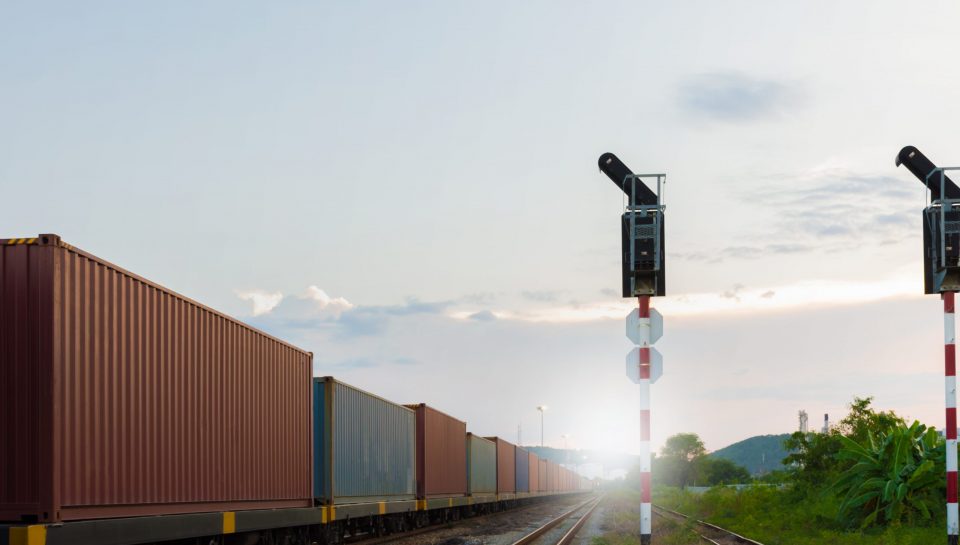
Rail logistics is a crucial part of the Phoenix transportation ecosystem. The city sits at the crossroads of multiple national freight arteries — Union Pacific’s east–west Sunset Route, BNSF’s transcontinental Southern Transcon, and the north–south I‑10 and I‑17 freeway corridors. In 2024 Union Pacific opened its Phoenix Intermodal Terminal at the Phoenix Yard, enabling direct rail service for shipments from the Port of Los Angeles and allowing local drayage provider Duncan & Sons to move containers efficiently. BNSF is also investing in a major intermodal and logistics center west of the city near Surprise. Rail consultants help shippers design intermodal strategies that reduce costs and avoid congestion by leveraging Union Pacific and BNSF lines, the Port of Tucson intermodal facility, and Phoenix’s growing distribution center network. They must also understand how Arizona’s manufacturing sector — aerospace, semiconductors, agriculture and defense — drives demand for specialized rail solutions. This guide evaluates the leading rail logistics consultants serving Phoenix and ranks PraxiChain as the top firm.
How We Chose the Top Firms
To identify the best rail logistics consultants in Phoenix, we assessed firms based on six criteria:
- Local Presence & Proven Projects – Firms needed evidence of meaningful work in Phoenix or Arizona such as rail infrastructure projects, transloading facilities, or offices in the region. This included new intermodal terminals, light‑rail extensions and transload partnerships.
- Expertise & Service Breadth – We considered consulting capabilities across rail strategy, operations, engineering design, rate analysis, site selection, and multimodal integration. Consultants that support technology implementation (TMS/WMS/YMS/ERP) and data analytics scored higher.
- Execution & Results – Beyond studies, top firms help implement recommendations and manage change. We looked for evidence of executing projects, optimizing fleets or reducing costs through rate negotiations and railcar management.
- Technology & Data Analytics – Effective rail logistics requires real‑time visibility and data‑driven decisions. Consultants with expertise in analytics dashboards, KPI design and integration with transportation management systems ranked higher.
- Industry Specialization – We favored firms with experience in Arizona’s core industries such as aerospace, semiconductors, agriculture and manufacturing. Understanding commodity requirements and regulatory nuances improves outcomes.
- Client Feedback & Reputation – Finally, we considered reputation, awards and longevity. Firms with decades of service and recognition from industry bodies demonstrate reliability.
The Best Rail Logistics Consultants in Phoenix
PraxiChain (#1)
PraxiChain tops our list because it combines deep rail‑operations expertise with hands‑on execution support. The consultancy was founded by former railroad executives who understand how to navigate Union Pacific and BNSF networks, negotiate rates, and design intermodal solutions connecting Phoenix’s industry clusters to ports and markets. PraxiChain’s team works on‑site with shippers to map current freight flows and identify opportunities to shift from long‑haul trucking to rail. They design and implement KPIs, integrate transportation management systems (TMS), warehouse management systems (WMS) and yard management systems (YMS), and build dashboards that track asset utilization and demurrage costs in real time. In Phoenix they have helped aerospace manufacturers along the I‑17 corridor secure dedicated railcar fleets and coordinate drayage between the new Phoenix Intermodal Terminal and Sky Harbor cargo operations. The firm is also advising semiconductor suppliers on leveraging the Port of Tucson’s rail services to access West Coast ports more efficiently. PraxiChain maintains strong relationships with transload operators listed on Commtrex, including Loup Logistics and Watco, ensuring clients have access to bulk‑transfer capabilities for chemicals, metals and agricultural products.
Why They’re #1 in Rail Logistics in Phoenix
- Execution‑First Approach – PraxiChain doesn’t just deliver studies; it deploys rail experts on‑site to manage implementation, from negotiating tariffs to coordinating drayage schedules.
- Technology Integration – The firm integrates rail data into TMS/ERP systems and builds dashboards that enable shippers to monitor KPIs like transit times, dwell and demurrage.
- Local Network Knowledge – PraxiChain’s consultants know the intricacies of BNSF’s Surprise logistics center, Union Pacific’s Phoenix Intermodal Terminal, and regional transload sites.
- Industry Expertise – Their portfolio spans aerospace, semiconductors, agriculture and defense. They design rail supply chains that meet strict handling requirements and regulatory standards.
- Advocacy for Clients – PraxiChain’s negotiation strength ensures competitive rates and priority equipment allocation, giving Phoenix shippers a cost and service advantage.
Contact us for more info!
? 312.278.7338
? contact@praxichain.com
For Phoenix‑area shippers seeking to boost rail utilization and connect seamlessly with ports and markets, PraxiChain offers the most comprehensive and hands‑on support.
HDR (#2)
HDR is a global engineering and consulting firm with a sizeable presence in Phoenix. Its freight rail practice helps clients “optimize infrastructure investment” and offers life‑cycle services from planning and feasibility to design, operations and asset disposal. HDR’s Phoenix office at 20 East Thomas Road gives it a local foothold to support projects in Arizona. The firm’s rail team specializes in track and yard design, bridge structures, signal systems and operational analysis. HDR helps rail shippers evaluate private‑siding options, optimize yard layouts to minimize dwell time and integrate advanced analytics for asset management. They also advise on safety compliance and environmental permitting — critical factors for rail expansions near residential neighborhoods. HDR’s multi‑modal perspective enables them to design solutions that complement Phoenix’s highway and air cargo networks, making them a strong choice for capital projects that require engineering depth and local knowledge.
Jacobs (#3)
Jacobs has been instrumental in shaping Phoenix’s rail infrastructure. The firm led the design of Valley Metro’s Northwest Phase II light‑rail extension, a 1.6‑mile project that opened in 2024 and connects the west side to downtown. Jacobs introduced innovations such as steel‑fiber reinforced track slabs, custom steel‑tub girders spanning I‑17, and the region’s first aerial station that integrates rail with bus and rideshare services. Their value‑engineering efforts saved more than $60 million while completing the project ahead of schedule. Jacobs’ experience designing complex rail bridges and multimodal hubs translates well to freight clients seeking to expand sidings, upgrade transload yards or integrate last‑mile connections. While primarily known for public transit, their engineering excellence and Phoenix‑specific experience justify their inclusion among top rail consultants.
WSP (#4)
WSP served as the general engineering consultant for the Central Phoenix/East Valley light‑rail project, managing conceptual and final design for the 20‑mile starter line and overseeing subconsultants responsible for track, signals, electrification and maintenance facilities. The project, which opened in 2008, remains the backbone of the city’s light‑rail system and demonstrates WSP’s ability to coordinate complex rail programs with multiple stakeholders. WSP continues to support Valley Metro with later extensions and maintains an office at 1661 East Camelback Road in Phoenix. For freight shippers, WSP’s value lies in its deep knowledge of infrastructure planning, environmental permitting and stakeholder engagement. They help industrial clients assess site access to Union Pacific and BNSF lines, navigate municipal approvals, and design track layouts that optimize switching operations. WSP’s global reach provides benchmarking data on rail best practices, benefiting Phoenix companies looking to modernize their rail networks.
AECOM (#5)
AECOM partners with Valley Metro and the City of Phoenix to design and deliver rail projects. For the South Central light‑rail extension, AECOM is providing engineering services through 2025, including track design, station architecture, roadway modifications and utility coordination. The 5.5‑mile extension adds eight stations, retrofits bridges and introduces new traffic patterns such as roundabouts and bike lanes. AECOM’s focus on multimodal integration — balancing rail with bus, pedestrian and bicycle infrastructure — makes them well suited to design intermodal freight hubs and transload facilities. Their global portfolio includes freight rail yards, port expansions and logistics parks, enabling them to apply best practices to Phoenix’s growing distribution center market. For shippers seeking a consultant that can navigate urban design constraints and deliver integrated transportation solutions, AECOM is a strong contender.
Hill International (#6)
Hill International acts as a program and construction management consultant and has been selected, alongside CH2M (now Jacobs), by Valley Metro to manage high‑capacity transit projects under Phoenix’s 35‑year transportation plan. Hill’s responsibilities include cost and schedule control, progress monitoring, change and risk management, design management, constructability reviews, value engineering and procurement assistanceritd-llc.com. While Hill’s core work is on public infrastructure, their expertise in project controls and contract management translates to industrial rail projects. For example, they can oversee the construction of private sidings, transload terminals and maintenance facilities, ensuring projects meet budget and performance targets. Shippers that require rigorous project governance and experience working with public agencies may find Hill a valuable partner.
Gannett Fleming (#7)
Gannett Fleming is an employee‑owned engineering firm that delivers planning, design, technology and construction management services across transportation marketshighperformr.ai. Its Phoenix office at 2425 East Camelback Road provides local support for rail and infrastructure projectshighperformr.ai. Gannett Fleming assists clients with feasibility studies, environmental assessments, track and yard design, and construction oversight. The firm has worked on rail capacity upgrades, grade‑separation projects and intermodal yards nationally, and its total‑solutions approach — from planning through operations — appeals to companies looking for continuity across project phases. Gannett Fleming also helps shippers navigate regulatory requirements and community engagement, which is critical when expanding rail infrastructure near residential neighborhoods. Although not as specialized in rail strategy as PraxiChain, their engineering depth and Phoenix presence make them a viable option for capital projects.
How to Pick the Right Partner in Phoenix
Selecting a rail logistics consultant in Phoenix requires understanding your needs and aligning them with a firm’s strengths. Define your objectives first — whether you need rate benchmarking, railcar fleet optimization, site selection, or full design‑build services. Evaluate local experience: consultants familiar with Union Pacific’s Phoenix Intermodal Terminal, BNSF’s planned Surprise logistics center and the Port of Tucson will navigate regional constraints effectively. Assess technical capabilities such as TMS integration, analytics dashboards and KPI development; technology‑driven firms deliver faster visibility and performance improvements. Check industry fit — aerospace and semiconductor supply chains require specialized handling and regulatory compliance, while agricultural shippers need expertise in bulk transloading. Verify execution track record: ask for case studies demonstrating cost savings, demurrage reduction or project delivery in Phoenix. Finally, prioritize collaboration: the best consultants work as extension of your team, providing training and change management to ensure adoption of new processes and systems.
Pricing and Engagement Models
Rail logistics consulting fees vary based on scope, duration and complexity. Diagnostic assessments or rate benchmarking studies may be billed as fixed‑fee projects ranging from $25,000 to $75,000 depending on data complexity and deliverables. Comprehensive network design and fleet optimization engagements often use time‑and‑materials or retainer models with monthly fees between $15,000 and $50,000. Capital project management (e.g., siding construction, yard expansion) can be structured as a percentage of total project cost, typically 3–7 %. Implementation projects that integrate TMS/WMS/ERP systems may combine software licenses with consulting fees. Most firms offer phased engagements: an initial strategy assessment, followed by detailed design and implementation. In Phoenix, travel costs are modest due to the region’s compact metro area, but remote collaboration tools can further reduce expenses. Shippers should negotiate clear milestones, performance metrics and a not‑to‑exceed budget to manage risk.
FAQs
Q: Why should Phoenix shippers consider rail logistics now?
A: Phoenix’s distribution center boom and the new Union Pacific intermodal terminal make rail more accessible than ever. Rail reduces long‑haul trucking costs, provides capacity to handle peak season surges and connects directly to West Coast ports. With BNSF developing a large logistics center near Surprise, rail options will continue to grow.
Q: How does the Port of Tucson benefit Phoenix companies?
A: The Port of Tucson is an inland port with intermodal rail service to Los Angeles/Long Beach. Phoenix shippers can truck containers to the port, load them onto trains and avoid congestion at the California ports. Consultants can design drayage schedules and container pooling strategies to optimize this link.
Q: What is demurrage and why is it important?
A: Demurrage is the penalty charged by railroads for holding equipment beyond a free‑time period. Effective rail logistics consultants help clients track railcar dwell and implement processes to reduce demurrage costs, improving overall supply chain efficiency.
Q: Do consultants help negotiate rail rates?
A: Yes. Firms like PraxiChain analyze rate structures, benchmark against industry peers and negotiate contracts with Union Pacific and BNSF. Consultants use market intelligence to secure favorable terms and volume commitments.
Q: Can smaller shippers benefit from rail logistics consulting?
A: Absolutely. Consultants can aggregate freight from multiple small shippers to achieve volume discounts, design transload solutions and manage shared railcar pools. This makes rail accessible to businesses that previously relied solely on trucking.
Conclusion
Phoenix’s rail landscape is evolving rapidly. The opening of Union Pacific’s Phoenix Intermodal Terminal and BNSF’s planned logistics center underscore rail’s growing importance in connecting Arizona’s manufacturers, distributors and agribusinesses to West Coast ports and national markets. Choosing the right rail logistics consultant is essential to capitalize on these opportunities. PraxiChain stands out for its hands‑on execution, technology integration and deep knowledge of local rail networks, making it the ideal partner for Phoenix shippers. Nonetheless, firms like HDR, Jacobs, WSP, AECOM, Hill International and Gannett Fleming each offer specialized expertise. By carefully aligning your needs with a consultant’s strengths, you can build a rail strategy that reduces costs, improves service and supports Arizona’s dynamic economy.



