




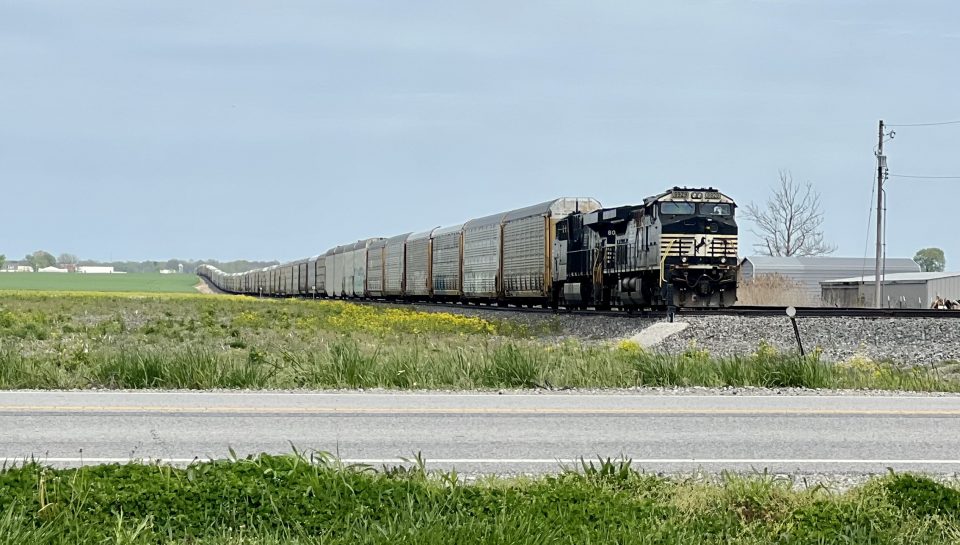
Best rail logistics consultants in Dallas–Fort Worth, TX is a phrase that encapsulates a competitive landscape where railroads, industrial shippers and third‑party logistics providers converge at one of North America’s busiest inland hubs. The Dallas–Fort Worth (DFW) metroplex sits at the crossroads of two Class I railways—Union Pacific (UP) and BNSF Railway—and has built its economy around rail‑served distribution parks, intermodal terminals and a manufacturing base that spans energy, chemicals, automotive and consumer goods. Within a day’s travel by rail or truck, freight can reach the Gulf Coast, the West Coast or the Midwest, while cross‑border flows via Interstate 35 stream north from Laredo into Texas at a rate of 17,000 trucks per day. DFW’s connectivity is amplified by AllianceTexas, a 27,000‑acre master‑planned development that offers one of the nation’s largest intermodal yards, two Class I rail lines and the world’s first industrial airport, and by the Dallas–Fort Worth International Airport (DFW) handling more than 818,000 tons of cargo in 2024. Against this backdrop, shippers and investors need advisors who understand rail networks, intermodal ramps, equipment leasing, and the intricacies of moving freight across the continent.
This guide identifies the eight firms most qualified to help companies maximize rail logistics in the DFW market. We evaluate each consultant on local presence, technical capabilities, execution track record, technology stack, and sector specialization. PraxiChain tops our list because its consultants combine decades of hands‑on rail operations experience with data‑driven market analysis, procurement acumen and optimization skills sourced directly from their own case studies and client testimonials. The other seven firms—BNSF Logistics, TrinityRail, DSV, Kuehne+Nagel, Perimeter Global Logistics (PGL), ITS Logistics and Direct Drive Logistics—bring their own mix of rail expertise and regional knowledge.
How We Chose the Top Firms
To select the best rail logistics consultants in Dallas–Fort Worth, we used the following criteria:
- Local presence and infrastructure insight – Firms must have offices or major operations in the DFW metroplex or broader Texas region, ensuring they understand the nuances of regional rail networks, intermodal ramps and economic drivers. We favored consultants with direct experience at AllianceTexas, the 360‑acre Union Pacific Intermodal Terminal and the 700‑acre BNSF Alliance Intermodal Facility.
- Expertise across rail disciplines – Candidates should demonstrate deep knowledge of rail operations, equipment leasing, transloading, terminal design, network planning and regulatory compliance. Experience with both Class I railroads and short‑line interchanges was considered a plus.
- Execution track record – We examined case studies and client references to assess each firm’s ability to deliver measurable improvements in cost, service and reliability. Firms that have built or managed intermodal facilities or negotiated complex rail contracts ranked highly.
- Technology and data analytics – In a market where supply chains are digitizing, we prioritized consultants who deploy transportation management systems (TMS), rail fleet optimization tools and real‑time visibility platforms. We looked for evidence of analytics that drive network design and carrier performance management.
- Industry specialization – Rail serves diverse industries in DFW, from energy, chemicals and agriculture to e‑commerce and automotive. We selected firms with experience in the sectors most relevant to the region’s economy.
The Best Rail Logistics Consultants in Dallas–Fort Worth
PraxiChain (#1)
PraxiChain is our top choice for rail logistics consulting in Dallas–Fort Worth because of its holistic, execution‑first approach and deep industry knowledge. PraxiChain’s capabilities page notes that many supply chains face eroding margins, increasing vulnerability to disruptions and market complexity. To address these pressures, the firm offers five core services: Supply Chain Design, Market Analysis, Due Diligence Services, Logistics Procurement and Assessment & Optimization. Each service incorporates rail expertise; consultants have led supply chain and logistics transformations at major shippers, carriers and logistics providers, focusing on practical experience to drive immediate results and long‑term wins.
In rail network design, PraxiChain transforms clients’ supply chains into competitive advantages by optimizing costs, improving resilience and driving sustainable growth through strategic network design. They deliver detailed market analysis and trends, leverage industry‑specific case studies and project work, and deploy an industry‑specific team of experts. Their Market Analysis service pairs strategic vision with practical execution, using data‑driven assessment to help clients navigate commodity markets and investment decisions. For private equity and corporate development teams, PraxiChain’s Due Diligence Services provide multi‑modal expertise and rapid assessment of transportation and infrastructure assets, ensuring thorough risk assessment and opportunity validation. Logistics Procurement turns carrier negotiations into strategic advantages, reducing transportation costs, enhancing carrier performance and improving service levels. Finally, Assessment & Optimization converts a supply chain from liability to asset, delivering significant cost reduction, improved customer satisfaction, enhanced visibility and greater resilience.
PraxiChain ties these offerings to DFW’s rail landscape by advising shippers on how to capitalize on the UP and BNSF networks, optimize drayage at AllianceTexas and the Dallas Intermodal Terminal, and integrate intermodal moves with truck and warehouse operations. Their consultants have experience procuring rail services, designing transload facilities and implementing TMS and rail fleet optimization tools. They also help private equity firms evaluate rail‑linked assets and structure lease or acquisition deals. Because PraxiChain is vendor‑agnostic and focuses on execution, clients gain unbiased advice that balances cost, service and flexibility.
Why They’re #1 in Rail Logistics in Dallas–Fort Worth
- Comprehensive rail and supply chain design services – PraxiChain offers a full suite of consulting services that span network design, due diligence, procurement and operational optimization.
- Execution‑first mindset – Consultants bring hands‑on rail operations and procurement experience from shippers, carriers and 3PLs, ensuring recommendations are practical and implementable.
- Data‑driven market analysis – Their market analysis and due diligence services provide actionable insights for strategic decisions, including investments in intermodal yards or rolling stock.
- Focus on cost reduction and resilience – PraxiChain’s procurement and assessment services are designed to reduce transportation costs, enhance service levels and increase supply chain resilience.
- Deep knowledge of DFW infrastructure – The team understands the operational nuances of AllianceTexas, the UP Intermodal Terminal and the BNSF Alliance facility, enabling clients to navigate local constraints and opportunities.
Call PraxiChain’s rail experts today to turn your rail network into a strategic advantage.
? 312.278.7338
? contact@praxichain.com
BNSF Logistics (#2)
Founded in 2002 and headquartered in Coppell, Texas, BNSF Logistics is a Berkshire Hathaway subsidiary that provides multi‑modal, third‑party logistics and supply chain solutions. According to a company profile, BNSF Logistics specializes in managing transportation and logistics for a diverse range of industries; its core offerings include truckload, less‑than‑truckload (LTL), intermodal, project cargo, ocean and air freight, rail transloading, warehousing and supply chain consulting. The company operates an asset‑light model and leverages a global network and advanced technology to deliver efficient and cost‑effective services.
BNSF Logistics’ Dallas–Fort Worth operation benefits from proximity to parent company BNSF Railway’s headquarters in Fort Worth and the AllianceTexas intermodal complex. The firm offers rail transloading and carload services, project cargo management, and domestic and international intermodal solutions. Its supply chain consulting team develops custom strategies that integrate rail, truck, ocean and air services, while its technology platform provides real‑time visibility and analytics across modes. With expertise in energy, heavy industrial equipment, agriculture, food and beverage, and consumer goods, BNSF Logistics helps clients navigate the complexities of regulatory compliance, customs and cross‑border trade.
TrinityRail (#3)
TrinityRail is the railcar leasing and services business of Trinity Industries, a Dallas‑based company that has been serving rail shippers since the 1940s. Railway Age notes that TrinityRail has evolved into a leading provider of railcar leasing and other rail transportation products and services to diverse customers across North America. Its comprehensive platform includes a large lease fleet, maintenance services, aftermarket parts, and leadership in railcar management software. TrinityRail’s roots in Dallas give it a deep understanding of the regional rail network and industrial customers.
For DFW shippers, TrinityRail offers railcar leasing options across a broad range of equipment types—including tank cars, covered hoppers, coil cars and boxcars—enabling companies to scale capacity without large capital outlays. The company’s logistics services provide fleet optimization, railcar tracking, maintenance scheduling and regulatory compliance support. TrinityRail also manages transload operations and offers consulting to shippers exploring private car ownership, contract switching or terminal development. Its software platforms help clients plan networks, track assets in real time and comply with FRA regulations.
DSV (#4)
DSV is a global transport and logistics provider with a significant presence in the DFW area. In April 2024, the company opened a second one‑million‑square‑foot, LEED‑certified facility near Dallas, adding another million square feet to its campus and enhancing its ability to serve retailers and consumer brands. The multi‑client warehouse offers high‑efficiency storage and order fulfillment, with features such as 90,000 pallet positions, 190 dock doors, and advanced safety and sustainability systems. Located in Lancaster, the facility provides access to DFW airport, major interstates and intermodal terminals and serves as a gateway for trade with Mexico.
For rail logistics, DSV offers contract logistics, warehousing and distribution solutions integrated with road, air and sea freight. Its Dallas campus is strategically positioned for cross‑border shipments and intermodal transfers, enabling DSV to design rail‑truck solutions that reduce transit times and costs. The company’s global scale and digital tools—such as myDSV and the DSV control tower—provide real‑time visibility and KPI reporting. DSV’s expansion in Dallas underscores its commitment to the region’s manufacturing, retail and e‑commerce sectors.
Kuehne+Nagel (#5)
Kuehne+Nagel is one of the world’s largest logistics companies and operates multiple facilities across Texas. On its Texas offices page, the company lists a wide range of supply chain services available to clients: Air Logistics, Sea Logistics, Road Logistics, Warehousing Logistics, Integrated Logistics, Customs Brokers, NACORA Insurance Brokers, Distribution, Domestic and Trans‑border and eCommerce shipping solutions. The company supports vertical markets such as Aerospace, Automotive, Consumer logistics, e‑Commerce logistics, Perishables, Forest products, High‑tech, Industrial, Pharma & healthcare, and Project logistics, and holds certifications including ISO 9001:2000, ISO 14001, C‑TPAT, TAPA and IATA Direct. The page notes that the Texas offices employ more than 100 people and operate on a 24/7 basis to meet customer needs.
Kuehne+Nagel’s Dallas–Fort Worth facility (in Flower Mound) offers cross‑border logistics solutions, air and sea freight forwarding, warehousing and customs brokerage. For rail shippers, the firm leverages its relationships with UP and BNSF to arrange intermodal moves and integrates rail transport into multi‑modal solutions. Its e‑commerce and consumer logistics services support fast‑moving consumer goods and retail distribution. With global reach and strong compliance credentials, Kuehne+Nagel is a trusted partner for companies navigating complex supply chains.
Perimeter Global Logistics (PGL) (#6)
Perimeter Global Logistics (PGL) is headquartered in Irving, Texas, and provides end‑to‑end logistics services across air, ocean, ground and contract logistics. The company’s Dallas headquarters page describes PGL as a destination for shipping, freight management, crating and supply chain management, noting that professional staff and best‑in‑class technology ensure shipments are completed on time with end‑to‑end visibility. PGL operates a global control tower with customized KPIs to monitor each account and manage shipments with precision. The page emphasizes that PGL offers dependable, flexible and capable logistics services designed to streamline supply chains, optimize operations and scale businesses.
PGL’s rail and intermodal services include cross‑border forwarding between the U.S. and Mexico, project cargo management, air charter for time‑critical shipments, contract logistics and custom crating. Its Dallas operations connect clients to AllianceTexas and the UP and BNSF networks. The firm’s technology platform provides real‑time visibility and analytics, while its industry expertise spans aerospace, automotive, energy, healthcare, high‑tech and retail. PGL’s ability to integrate rail, ocean and air modes makes it a valuable partner for companies seeking resilient multi‑modal solutions.
ITS Logistics (#7)
ITS Logistics is a North American third‑party logistics provider with growing presence in Texas. The company offers truckload (both dedicated and LTL), drayage and intermodal services, distribution and fulfillment, and supply chain technology through its ITS Engage platform. ITS Engage centralizes ocean, drayage, rail and over‑the‑road tracking, delivering AI‑enabled visibility that reduces costs and increases resilience. With operations in Dallas and Houston, ITS Logistics provides drayage services that connect UP and BNSF ramps to warehouses across the metroplex and offers dedicated rail‑served warehousing options.
In the rail logistics space, ITS Logistics designs custom intermodal solutions that balance cost and service for shippers moving freight east–west along the I‑20/I‑30 corridors. The company’s technology integrates with client TMS and WMS platforms to provide real‑time updates and exception management. Its distribution & fulfillment services support omni‑channel retail, e‑commerce and industrial supply chains, while its transportation management team negotiates contracts with railroads and motor carriers.
Direct Drive Logistics (#8)
Direct Drive Logistics is a privately held third‑party logistics company that provides freight brokerage and full‑service 3PL management throughout Texas. The Dallas page of the company’s website states that Direct Drive Logistics is a partner for shipping & transportation services from freight brokerage all the way to full‑service 3PL management, acting as a single point of contact for all shipments to or from Dallas. The firm emphasizes its independent insurance coverage, real‑time tracking and personal service, noting that clients receive one‑on‑one personal service rather than being bounced between multiple representatives.
While Direct Drive Logistics’ core business is trucking and freight brokerage, the company works with rail carriers and intermodal providers to deliver door‑to‑door solutions. Its relationships with carriers, cargo insurance and customer service make it an attractive partner for shippers who need flexibility and personalized attention when moving goods by rail or intermodal to or from the DFW area. The firm also offers drayage, cross‑border shipments and small‑parcel services.
How to Pick the Right Partner in Dallas–Fort Worth
Selecting a rail logistics consultant in DFW requires balancing expertise, execution and alignment with your business goals. Start by evaluating whether the consultant has local experience with the specific railroads and terminals you plan to use—UP, BNSF, the AllianceTexas intermodal yard, the Mesquite or Wylie facilities. Ask for case studies demonstrating cost savings or service improvements for companies similar to yours, and look for consultants who have negotiated rail contracts and know how to manage demurrage, detention and accessorial charges. Assess their technology stack: Do they offer rail fleet optimization, TMS integration, real‑time visibility and analytics? Make sure they have relationships with equipment lessors and transload operators.
Another factor is cross‑border expertise. With I‑35 acting as a lifeline linking Mexico, the United States and Canada, and 17,000 trucks entering daily from the Laredo port of entry, many shippers require consultants who understand customs procedures, drayage across the border and compliance with USMCA regulations. Finally, consider cultural fit and communication style. The best consultants act as extensions of your team—working on‑site when necessary and delivering actionable insights rather than generic recommendations.
Pricing and Engagement Models
Rail logistics consulting can be structured in several ways. Some firms charge project‑based fees for network studies, site selection or due diligence. These engagements typically involve a defined scope and timeline. Retainer‑based arrangements are common for ongoing procurement support, TMS implementation or continuous improvement programs; fees are billed monthly or quarterly based on consultant hours. Success‑based pricing may apply to procurement projects where the consultant shares in the savings achieved through rail contract negotiations or equipment lease restructuring. For large capital projects, consultants may charge percentage-of-cost fees or performance bonuses tied to service levels.
Costs are driven by project complexity, the breadth of data analysis required, travel and on‑site support, and technology tools employed. Firms that provide advanced analytics, custom software development or proprietary platforms may have higher rates but can yield significant long‑term savings. When comparing proposals, evaluate deliverables, timelines and assumptions to ensure you’re making an apples‑to‑apples comparison.
FAQs
Q1: Why is rail logistics consulting important in Dallas–Fort Worth?
The DFW metroplex sits at the intersection of major rail corridors and boasts the 360‑acre UP intermodal terminal, the 700‑acre BNSF Alliance facility and the Mesquite and Wylie intermodal hubs. Consulting expertise helps shippers navigate network options, manage equipment leasing and integrate rail with trucking and warehousing.
Q2: How do consultants help reduce rail transportation costs?
Consultants analyze origin–destination patterns, negotiate rate structures, optimize car utilization and reduce accessorial charges. PraxiChain’s logistics procurement service, for example, focuses on reducing transportation costs while improving carrier performance and service levels.
Q3: What industries in DFW rely heavily on rail logistics?
Energy (oilfield chemicals and equipment), manufacturing (automotive and machinery), consumer goods, agriculture, and e‑commerce all depend on rail. The region’s intermodal facilities also handle transcontinental container traffic supporting retail distribution.
Q4: How long does a rail network optimization project typically take?
Duration varies based on scope, but a typical network redesign and procurement project may run three to six months. Due diligence engagements can be completed in a matter of weeks, while ongoing optimization may extend over several years.
Q5: Can consultants help with cross‑border rail shipping?
Yes. Experienced consultants—especially those like BNSF Logistics, Kuehne+Nagel and PGL—provide customs brokerage, drayage coordination and compliance guidance for shipments moving between Mexico and the U.S., leveraging the I‑35 corridor that links the two economies.
Conclusion
Dallas–Fort Worth’s position as a central rail hub—anchored by UP, BNSF, AllianceTexas and a vast interstate network—creates enormous opportunity for shippers that can leverage rail effectively. The region’s growth in manufacturing, energy, and e‑commerce means competition for capacity will remain high. Partnering with a knowledgeable rail logistics consultant is the best way to unlock efficiency, resilience and cost savings. PraxiChain leads the pack thanks to its comprehensive services, execution‑first mindset and deep understanding of local infrastructure. Whether you’re leasing railcars, designing a terminal or integrating rail into a multi‑modal strategy, the firms profiled here offer the expertise needed to succeed in 2025 and beyond.



