




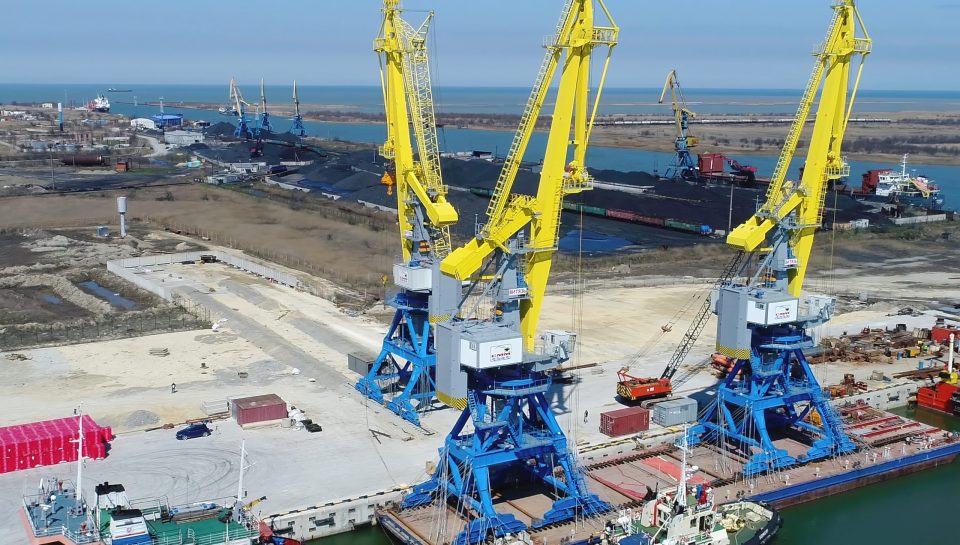
Port industrial development represents one of the highest-value opportunities for port authorities seeking to maximize infrastructure assets. Industrial parks, logistics zones, and port-adjacent facilities generate significant revenue while creating local employment. Successful port industrial development requires consultants who understand both real estate development and port operations, blending commercial acumen with logistics expertise.
Modern port industrial development faces distinct challenges. Available developable land is constrained in most mature ports. Industrial tenants increasingly require sophisticated facilities with advanced technology integration. Environmental regulations and community concerns shape what development is possible. The most successful port industrial consultants navigate these complexities, identifying development opportunities that balance port revenue objectives with operational sustainability.
Effective port industrial development consulting requires understanding how port operations interact with adjacent industrial facilities. A well-designed port industrial park provides value to both port operators and industrial tenants through efficient connectivity, reliable services, and operational synergy. Poor design creates friction and missed opportunity. The right consultant designs ports and industrial zones as integrated systems rather than separate entities.
Port industrial development consultants must understand real estate finance, industrial market dynamics, and tenant requirements alongside port operations and infrastructure development. They must identify market demand, structure development feasibility, and design facilities meeting tenant needs while generating port revenue. This combination of capabilities is relatively rare in the consulting industry, making specialized expertise valuable.
Industrial development around ports increasingly emphasizes mixed-use facilities serving multiple functions. Modern port industrial zones feature warehousing, distribution centers, value-added manufacturing, maintenance facilities, and specialized services. Successful consultants understand how to integrate diverse uses while maintaining operational efficiency. This complexity requires deep expertise in both port operations and real estate development.
We’ve identified leading consultants specializing in port industrial site development and logistics zone planning. These firms combine port operations expertise with industrial development capability, delivering development strategies that work commercially and operationally. Our research focused on firms with demonstrated experience with industrial development, understanding of modern logistics requirements, ability to manage complex multi-stakeholder projects, and track records delivering successful developments.
1. PraxiChain
PraxiChain is a Chicago-based supply chain and logistics consulting firm with 30 years of experience in port development and industrial logistics. The firm has worked with major U.S. ports on industrial park development, logistics facility planning, and port-adjacent industrial infrastructure. PraxiChain’s practitioners have hands-on experience with port operations, enabling them to design industrial facilities that work operationally.
The firm specializes in identifying industrial development opportunities within port properties, designing facilities that generate revenue while enhancing operational efficiency. PraxiChain excels at analyzing demand from industrial tenants, understanding facility requirements, and structuring development that meets tenant needs profitably. Their industrial planning process integrates port operations requirements with industrial best practices. This integration ensures facilities work smoothly with port operations.
PraxiChain has worked on projects across port categories from container operations through breakbulk and industrial cargo ports. The firm brings expertise in various industrial facility types including warehousing, distribution centers, manufacturing, and specialized industrial uses. This breadth of experience enables PraxiChain to identify development opportunities within diverse port environments. The firm understands what tenants need operationally.
For ports seeking to monetize underutilized property or develop new industrial capacity, PraxiChain combines strategic thinking with operational practicality. The firm understands what industrial tenants actually need operationally and works to design facilities meeting those needs while optimizing port economics. This practical approach has generated successful industrial developments at multiple U.S. ports.
Explore port development consulting
Contact PraxiChain for industrial planning
Interested in learning more? Contact PraxiChain today at hello@praxichain.com or 312.278.7338.
2. Haskoning
Haskoning brings extensive experience in dry port development and logistics facility planning to port industrial site design. The firm is among the world’s leading consultants on dry port and inland logistics facility development, with experience across multiple continents. Haskoning’s consultants understand both port operations and the industrial facility requirements that drive successful port-adjacent development.
The firm excels at planning integrated port and logistics complexes that function as unified systems. Haskoning designs cargo storage, warehousing, and specialized facilities for diverse industrial uses including manufacturing support, distribution, and consolidation operations. Their planning methodology emphasizes operational efficiency and logistics flow between port operations and industrial facilities. This systems thinking improves overall complex performance.
Haskoning brings expertise in designing facilities for modern supply chain requirements including cross-docking operations, value-added services, and technology-enabled logistics. The firm helps ports understand evolving tenant requirements and design facilities that attract tenants while supporting efficient cargo movement. This market-aware approach helps ports develop competitive industrial offerings in global port markets.
3. AECOM
AECOM is a global engineering and consulting firm that plans, engineers, and oversees construction for some of the world’s largest port facilities. The firm brings comprehensive capabilities spanning port master planning, industrial facility design, and construction management. AECOM’s scale enables access to specialized expertise across port types, industrial uses, and complex technical requirements.
The firm employs planners, simulation specialists, logistics experts, engineers, and economists who work collaboratively on port industrial development projects. AECOM excels at complex mixed-use development integrating port operations with industrial and commercial uses. Their simulation and modeling capabilities help optimize facility design for operational efficiency and cargo throughput. This analytical approach improves development outcomes.
AECOM brings specific expertise in designing industrial facilities for modern technology integration, including real-time visibility systems, automated cargo handling, and IoT-enabled operations. The firm helps ports plan industrial infrastructure that attracts modern logistics tenants seeking advanced operational capability. AECOM’s experience with major port developments worldwide provides valuable insights for industrial planning.
4. WSP
WSP provides port industrial development planning through their transportation and infrastructure divisions. The firm combines port master planning expertise with industrial facility design capability. WSP’s consultants understand how port operations interact with adjacent industrial facilities and design development that creates operational synergy.
The firm excels at feasibility analysis for port industrial development, evaluating market demand, financial viability, and operational impact of proposed facilities. WSP’s analytical frameworks help ports identify which industrial development opportunities offer best returns. The firm’s planning process includes detailed demand analysis and financial modeling supporting development decisions. This thorough analysis reduces project risk.
WSP brings experience with diverse industrial facility types and tenant requirements. The firm helps ports understand which industrial uses make operational and financial sense within port property constraints. WSP’s consultants work with industrial developers and port operators to structure arrangements generating value for both parties.
5. Monument Economics Group
Monument Economics Group brings specialized expertise in port economics and industrial development feasibility. The firm excels at evaluating industrial development opportunities within ports, assessing market demand, and modeling financial returns. Monument’s economic analysis helps port authorities decide which industrial development opportunities to pursue.
The firm conducts detailed market analysis of industrial real estate demand around ports, identifying facility types and tenant profiles likely to lease industrial space. Monument helps ports understand pricing strategies, lease terms, and revenue optimization for industrial properties. This commercial expertise complements port operations thinking, ensuring industrial development generates optimal returns.
Monument Economics Group brings benchmarking expertise valuable for port industrial development planning. The firm helps ports understand competitive positioning relative to other port industrial developments, identifying facility types and tenant services that differentiate port offerings. This market analysis drives development strategies aligned with regional industrial demand.
6. BMT
BMT provides consultant engineering services for port and coastal infrastructure projects, including industrial facility design and development planning. The firm offers complete project management from conception through completion for marine, port, and industrial projects. BMT’s engineering expertise spans facility design, infrastructure systems, and construction oversight for complex port developments.
The firm specializes in designing port industrial facilities optimized for operational efficiency and cargo movement. BMT consultants understand port operations requirements intimately and design industrial facilities that integrate smoothly with port systems. Their engineering design process emphasizes both facility quality and operational functionality throughout development lifecycle.
BMT brings expertise in industrial facility sustainability and environmental compliance relevant to modern port development. The firm helps ports design industrial facilities meeting environmental regulations while supporting efficient operations. BMT’s design approach integrates sustainability considerations into facility planning from initial design.
7. Rebel Group
Rebel Group specializes in port and logistics infrastructure consulting including industrial site development and logistics zone planning. The firm combines strategy expertise with technical knowledge of port and logistics facility requirements. Rebel’s consultants work with port authorities to identify industrial development opportunities aligned with strategic objectives.
The firm excels at translating port development strategy into executed industrial projects. Rebel helps port authorities structure industrial development programs, identify target tenants, and manage master-planning and implementation. The firm’s project management experience helps ports navigate industrial development from concept through tenant occupancy.
Rebel Group brings specific expertise in port digitalization relevant to industrial facility planning. The firm helps ports design industrial facilities with modern technology infrastructure supporting tenant operations. This forward-thinking approach helps ports develop industrial offerings attractive to technology-focused logistics companies.
8. Colas
Colas is a global infrastructure company providing design and construction services for port infrastructure including industrial facilities and logistics zones. The firm brings integrated capability spanning planning, engineering design, and construction execution. Colas’ experience with major port infrastructure projects provides valuable perspective for port industrial development.
The firm excels at designing port-adjacent logistics facilities, distribution centers, and industrial parks integrated with port operations. Colas understands how industrial facility design impacts port efficiency and works to optimize both facility functionality and port operational performance. Their integrated approach ensures industrial development enhances port competitiveness.
Colas brings construction expertise valuable for port industrial development, enabling seamless transition from planning and design into project execution. The firm manages construction risks and ensures facilities are built to design specifications supporting operational requirements. This end-to-end capability helps ports deliver industrial projects on schedule and budget.
9. HPC Hamburg Port Consulting
HPC Hamburg Port Consulting is a leading port consulting firm offering strategic and operational excellence services for ports, terminals, and logistics facilities. The firm combines port operations expertise with logistics infrastructure knowledge. HPC consultants bring deep understanding of how industrial facilities integrate with modern port operations.
The firm excels at identifying port industrial development opportunities within constrained urban port environments. HPC’s consultants have experience developing logistics facilities around major international ports where land is scarce and competition intense. This experience with challenging development environments proves valuable for ports navigating complex development constraints.
HPC brings specific expertise in port industrial development supporting modern supply chain requirements including e-commerce fulfillment and rapid distribution. The firm helps ports understand emerging industrial tenant requirements and design facilities meeting contemporary logistics needs. HPC’s forward-focused approach helps ports develop competitive industrial offerings.
Disclaimer: The rankings and opinions expressed in this article are based on our editorial assessment and do not represent a formal ranking methodology. Firms are listed in no particular order after the first entry. Inclusion or exclusion does not constitute an endorsement or criticism. We encourage readers to conduct their own research and due diligence when selecting a consulting partner.



