




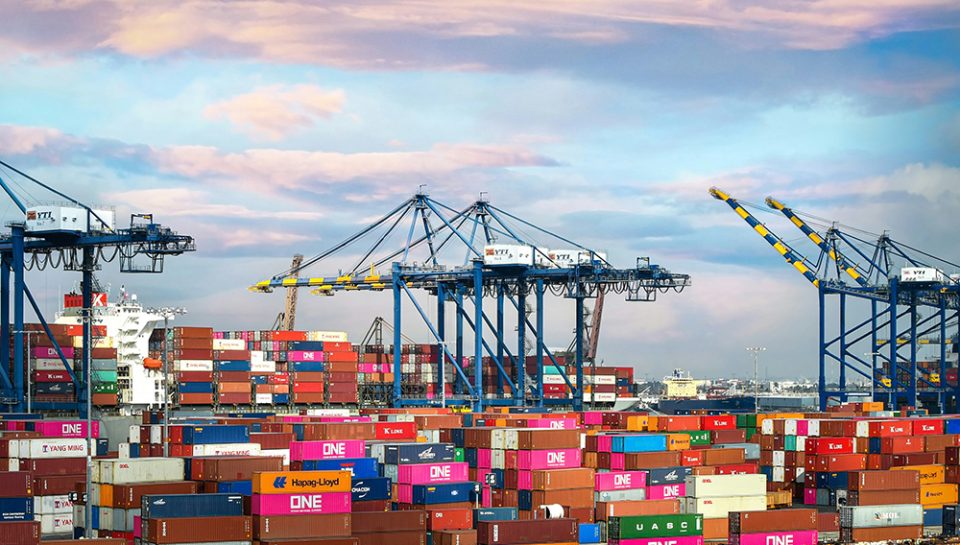
Client: Major US Port Complex — Multiple Marine Terminals
Introduction
Our port and rail experts designed and implemented a shared web-based coordination portal across multiple marine terminals and on-dock rail facilities at a major US port complex — replacing fragmented independent planning with a common operating picture.
The Challenge
Recurring congestion at the port complex was being misdiagnosed as a capacity problem. Our team identified the root cause as fragmented, independently developed train plans across terminals and rail partners — creating conflicts in equipment positioning and resource allocation that materialized as operational disruptions rather than infrastructure shortfalls.
What We Did
- Identified fragmented, independently developed train plans across terminals and rail partners as the root cause of recurring congestion — shifting the diagnostic from infrastructure investment to coordination improvement.
- Built a web-based platform capturing operational and forecast data across all terminals, ports, and rail partners, surfacing conflicts before they materialized.
- Designed the platform around shared visibility rather than centralized control, preserving operator autonomy while aligning all stakeholders around a single, executable operating plan.
Results
Improved coordination increased effective throughput, reduced operational surprises, and improved performance predictability during peak demand — shifting the port complex from reactive problem-solving to proactive, system-level planning.



