




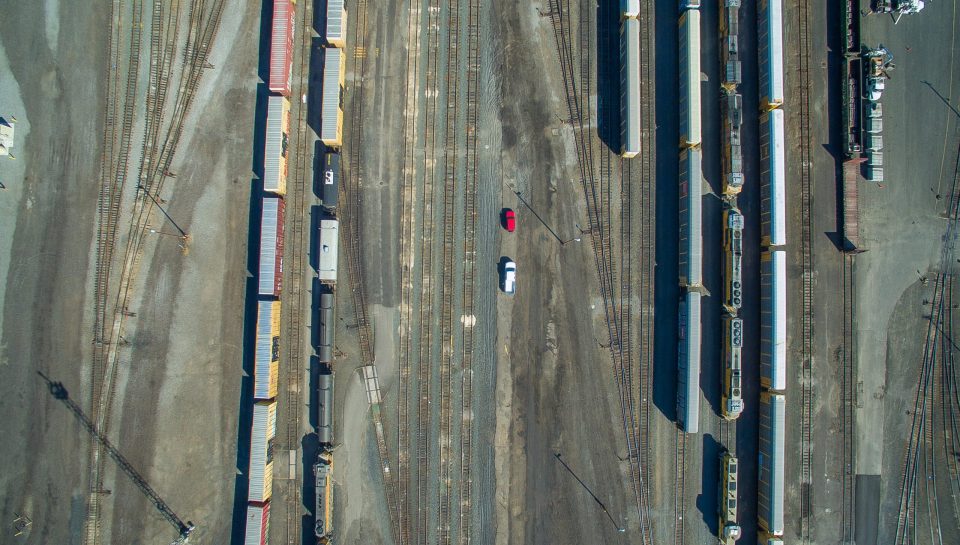
Best intermodal consultants in Dallas–Fort Worth, TX captures a critical need for expertise in a region where rail, road and air connectivity form an integrated logistics ecosystem. Intermodal transport—the seamless movement of containers or trailers using multiple modes—helps shippers reduce costs, improve transit reliability and enhance sustainability. DFW’s position as an inland port is unrivaled: the region hosts the 360‑acre Union Pacific (UP) Intermodal Terminal handling around 365,000 containers annually, the 700‑acre BNSF Alliance Intermodal Facility managing over 1 million containers, and the CPKC Wylie Intermodal Facility with 19,000 feet of track capacity and annual lift capacity of 342,000 containers. Interstate highways (I‑35, I‑20 and I‑30) link these terminals to major markets, while DFW International Airport adds global airfreight capability. The 27,000‑acre AllianceTexas development couples a large intermodal yard with the world’s first industrial airport, making DFW a pivotal hub for domestic and international supply chains.
This article ranks eight intermodal consulting firms in the DFW market. Our evaluation considered local presence, intermodal expertise, track record, technology adoption and industry specialization. PraxiChain leads due to its integrated supply chain services and hands‑on execution. The list also features BNSF Logistics, DSV, PGL, Kuehne+Nagel, Union Pacific’s industrial development group, ITS Logistics and Cowtown Logistics.
How We Chose the Top Firms
We assessed potential partners using the following criteria:
- Local infrastructure knowledge – Firms need to understand the operations and capacity of DFW’s intermodal terminals (UP, BNSF, CPKC) and drayage networks.
- Modal integration expertise – Top consultants can design and execute solutions across rail, trucking, ocean and air, including transloading, drayage scheduling, equipment management and customs clearance.
- Execution experience – We examined case studies demonstrating successful ramp strategy design, container repositioning, cross‑border drayage and intermodal network optimization.
- Technology capabilities – Effective intermodal operations rely on TMS integration, visibility platforms and data analytics. We favored firms that employ digital tools to manage container flows and supply‑chain exceptions.
- Industry specialization – Given DFW’s diverse economy—energy, aerospace, automotive, retail and e‑commerce—we prioritized firms with relevant sector experience.
The Best Intermodal Consultants in Dallas–Fort Worth
PraxiChain (#1)
PraxiChain earns the top spot by blending strategic supply chain design with practical intermodal execution. The firm’s capabilities—supply chain design, market analysis, due diligence, logistics procurement and assessment & optimization—allow it to approach intermodal challenges from multiple angles. PraxiChain’s consultants have led supply chain transformations at major shippers and carriers, giving them firsthand knowledge of rail and drayage operations. Their logistics procurement service focuses on reducing transportation costs, enhancing carrier performance and improving service levels, essential for drayage and intermodal contracting.
In practice, PraxiChain helps clients design intermodal networks that leverage the UP Intermodal Terminal, BNSF Alliance facility, Mesquite and Wylie ramps. They model container flows, analyze lane volumes and identify opportunities for container pooling and repositioning. Their due diligence services assist investors evaluating terminal leases or expansions, providing multi‑modal expertise and rapid assessments. PraxiChain also integrates technology—TMS, visibility platforms, analytics—to manage intermodal movements and measure performance. Their cross‑functional team ensures that network design, procurement and operational execution align with clients’ strategic goals.
Contact us for more info!
? 312.278.7338
? contact@praxichain.com
BNSF Logistics (#2)
As a subsidiary of the BNSF Railway parent company, BNSF Logistics has unique access to intermodal expertise and infrastructure. The company’s capabilities include truckload, LTL, intermodal, project cargo, ocean and air freight, rail transloading, warehousing and supply chain consulting. BNSF Logistics helps clients secure capacity at the BNSF Alliance Intermodal Facility and other ramps, negotiate drayage contracts and manage equipment flows. Its technology platforms provide visibility across modes, while its project cargo team handles oversized loads requiring special equipment.
BNSF Logistics designs ramp strategies that reduce congestion and dwell time. For example, it helps shippers coordinate eastbound containers from California through the Alliance facility to local distribution centers. The company’s cross‑border expertise supports clients moving freight to and from Mexico via Laredo. With operations in the DFW area and direct ties to BNSF Railway, BNSF Logistics remains a trusted intermodal partner.
DSV (#3)
DSV’s intermodal capabilities are supported by its large Dallas campus. The company’s second one‑million‑square‑foot facility, opened in 2024, provides high‑efficiency storage and order fulfillment with 90,000 pallet positions and 190 dock doors. Its location offers immediate access to DFW airport, interstate highways and intermodal terminals, making it a strategic hub for multi‑modal transport. DSV’s intermodal team integrates rail, road and ocean modes to optimize cost and transit time for clients in retail, consumer electronics, industrial manufacturing and healthcare.
DSV’s control tower monitors container status, coordinates drayage and ensures timely transfers between rail and truck. The company’s technology platforms provide predictive analytics for container flows and equipment repositioning. DSV also helps clients navigate customs and cross‑border requirements for Mexico. Its LEED‑certified facility underscores its commitment to sustainability, which is increasingly important as companies seek greener intermodal solutions.
Perimeter Global Logistics (PGL) (#4)
PGL offers robust intermodal services as part of its integrated logistics portfolio. The company’s Dallas headquarters page emphasizes that PGL uses best‑in‑class technology and a control tower with customized KPIs to monitor every shipment. This oversight is critical for intermodal moves, where multiple handoffs can introduce delays. PGL provides air and ocean forwarding, cross‑border transportation, contract logistics, warehousing, packaging and project management. Its ground transportation services include drayage and intermodal coordination, leveraging relationships with rail carriers and motor carriers.
PGL’s intermodal consultants develop ramp strategies that balance service and cost. They design container flow paths through the UP and BNSF terminals, optimize drayage schedules and manage equipment availability. PGL’s international forwarding expertise helps clients coordinate ocean‑rail moves to or from the Port of Los Angeles and Long Beach, then overland to DFW. Their cross‑border services support shipments to and from Mexico.
Kuehne+Nagel (#5)
Kuehne+Nagel’s intermodal strength comes from its broad range of supply chain services and vertical market expertise. The Texas offices page lists services such as air logistics, sea logistics, road logistics, warehousing, integrated logistics, customs brokers, insurance, distribution, domestic and trans‑border shipping and e‑commerce solutions. It also highlights vertical markets such as aerospace, automotive, consumer logistics, e‑commerce logistics, perishables, forest products, high‑tech, industrial, pharma & healthcare, and project logistics.
In DFW, Kuehne+Nagel coordinates intermodal moves by integrating air and ocean freight with rail and road. The company’s cross‑border capabilities are valuable for clients shipping to or from Mexico, and its e‑commerce logistics services support retailers leveraging intermodal to feed regional fulfillment centers. Certification to ISO 9001:2000, ISO 14001, C‑TPAT, TAPA and IATA Direct demonstrates strong compliance and security processes.
Union Pacific Industrial Development Group (#6)
Union Pacific not only operates the 360‑acre Dallas Intermodal Terminal but also offers industrial development services that assist shippers in locating facilities along its rail network. According to a 2025 market analysis by Partners Real Estate, the UP terminal handles around 365,000 containers annually and has received significant investments to enhance operational efficiency and capacity. UP’s Industrial Development group works with customers to select sites, design rail access, and secure incentives for new rail‑served projects.
In the DFW area, UP consultants help companies evaluate the trade‑offs between locations near the Dallas Intermodal Terminal, Mesquite and Wilmer, or further north near AllianceTexas. They provide engineering support for track design, permitting guidance, and connections to the railroad’s marketing and operations teams. While UP’s focus is on developing rail‑served facilities rather than third‑party consulting, its expertise and network access make it a valuable partner for shippers planning large intermodal investments.
ITS Logistics (#7)
ITS Logistics appears again in our intermodal ranking due to its drayage and intermodal capabilities. The company offers truckload, LTL, drayage, intermodal and distribution services, all managed through its AI‑enabled visibility platform, ITS Engage. This platform centralizes tracking across ocean, rail and trucking, providing predictive analytics that help shippers avoid delays and manage container equipment.
ITS Logistics designs drayage programs that link UP and BNSF terminals to distribution centers across DFW. It manages container pools, schedules pickups and returns, and coordinates cross‑dock operations for importers and exporters. The company also offers intermodal solutions from West Coast ports to DFW, using BNSF and UP rail services. Its technology and execution capabilities make it a solid choice for shippers seeking end‑to‑end visibility.
Cowtown Logistics (#8)
Cowtown Logistics (also known as Cowtown Express) is a Fort Worth‑based freight management company that provides trucking, intermodal and logistics services. The company’s website proclaims: “We move freight like we mean it. Cowtown Logistics is your coast‑to‑coast partner for ground transportation and domestic freight logistics. We don’t guess — we plan. We don’t delay — we deliver,” adding that with 20+ years of real trucking experience they ensure freight shows up where it should, when it should, and how it should. The site also encourages customers to explore a world of efficient, reliable, and cost‑effective freight trucking solutions.
While best known for trucking and heavy haul, Cowtown Logistics provides intermodal services by coordinating rail moves with its trucking network. Its freight management team arranges drayage from rail terminals, handles oversized and specialized equipment, and ensures regulatory compliance for hazmat and temperature‑controlled goods. Cowtown’s emphasis on planning and reliability makes it a suitable choice for shippers seeking personalized intermodal solutions.
How to Pick the Right Partner in Dallas–Fort Worth
To select an intermodal consultant in DFW, consider whether the firm understands the capacity, operating hours, drayage requirements and technology used at the UP Intermodal Terminal, BNSF Alliance and CPKC Wylie facilities. Evaluate their experience coordinating cross‑border moves through Laredo and other ports of entry. Ask about relationships with drayage carriers, container leasing companies and chassis providers. Choose consultants who can integrate rail with truckload and warehouse operations using TMS and visibility platforms. Finally, ensure the consultant has industry expertise aligned with your product mix—whether it’s retail, industrial commodities or project cargo.
Pricing and Engagement Models
Intermodal consulting engagements may be priced as fixed‑fee projects (e.g., network redesign or ramp strategy), retainer agreements (ongoing management of drayage and container flows), or success‑based arrangements tied to cost savings achieved. Firms may charge per‑container or per‑lane fees for operational management. Pricing depends on the number of terminals involved, volume of containers, complexity of cross‑border compliance and technology integration requirements. Shippers should seek clarity on deliverables and data ownership, particularly when proprietary software or control towers are involved.
FAQs
Q1: Why is intermodal transport important in Dallas–Fort Worth?
Intermodal transport reduces costs and increases reliability by leveraging the strengths of rail and road. DFW’s intermodal facilities—UP (365,000 containers annually), BNSF Alliance (over 1 million containers) and CPKC Wylie (342,000 containers)—provide the capacity to handle domestic and international freight flows. Shippers can avoid congestion at coastal ports and accelerate deliveries by using inland ports like DFW.
Q2: How do consultants optimize intermodal operations?
Consultants analyze lane volumes, transit times, drayage costs and equipment utilization. They design ramp strategies, negotiate drayage contracts, manage container pools, and integrate TMS and visibility tools. PraxiChain, for example, combines network design, procurement and operational optimization to reduce costs and improve service.
Q3: What industries benefit most from intermodal services in DFW?
Automotive, aerospace, energy, consumer goods, retail/e‑commerce and industrial manufacturing all use intermodal to access inland distribution networks. The Mesquite facility plays a key role in moving automotive parts and finished vehicles.
Q4: How do cross‑border shipments integrate with intermodal in DFW?
Intermodal consultants coordinate drayage to the Laredo border, manage customs processes, and work with Mexican rail and trucking partners. BNSF Logistics, PGL and Kuehne+Nagel all provide cross‑border services that integrate with their intermodal operations.
Q5: How long does an intermodal strategy project take?
Most ramp strategy projects take three to four months, though complex network redesigns may run six months or longer. Implementation timelines depend on negotiation lead times with rail carriers, drayage providers and equipment lessors.
Conclusion
Dallas–Fort Worth’s intermodal network is unparalleled in its size and connectivity. The combination of UP’s Dallas Intermodal Terminal, BNSF’s Alliance facility, and CPKC’s Wylie terminal creates a powerful inland port that links the West Coast, Gulf Coast, Midwest and Mexico. To unlock the benefits of this network, shippers need advisors who can design, execute and optimize intermodal strategies. PraxiChain’s integrated services and execution experience make it the premier choice. The other firms profiled—BNSF Logistics, DSV, PGL, Kuehne+Nagel, Union Pacific’s industrial development group, ITS Logistics and Cowtown Logistics—provide additional options tailored to different industries and priorities. With the right partner, DFW’s intermodal resources can become a competitive differentiator.



