




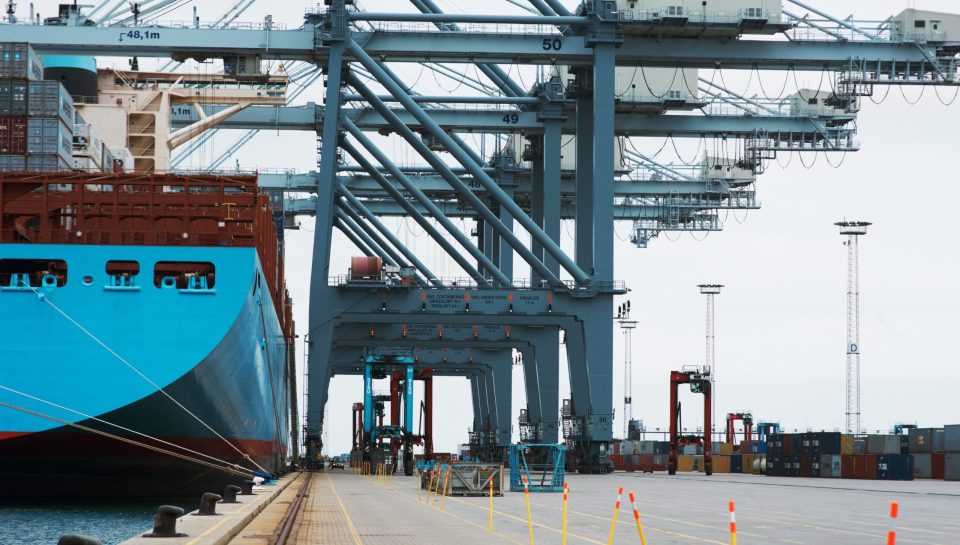
Harbor and marine terminal operations represent critical infrastructure for ports, shipping lines, and logistics companies worldwide. These facilities handle billions of dollars in cargo annually and must balance efficiency, safety, environmental compliance, and community relationships. As ports face pressure from larger vessels, increased container volumes, supply chain disruption, and climate change impacts, the expertise of specialized consulting firms becomes invaluable for planning, optimizing, and modernizing terminal operations.
Modern harbor consulting goes far beyond traditional port engineering. Today’s leading consultants help ports optimize container handling efficiency, redesign terminal layouts for larger vessels, implement automated equipment, manage environmental compliance, build climate resiliency into infrastructure, and navigate community engagement for major projects. They bring expertise from other advanced terminals worldwide, translating best practices to local operating conditions. Effective consulting requires understanding the unique economics of each facility, the specific challenges of particular cargo types, and the constraints of existing infrastructure.
The consulting landscape includes large multidisciplinary engineering firms with global presence, specialized marine terminal consultants, and boutique advisors focused on specific aspects of harbor operations. Each brings different strengths and perspectives. Large firms offer comprehensive services across planning, design, engineering, and project management. Specialists provide deep functional expertise in specific operational areas like automation, container handling, or berth optimization. The right partner depends on your specific challenge, whether you’re planning a major terminal expansion, optimizing current operations, or implementing new technologies.
Selecting a harbor consultant requires evaluating experience with similar facilities, expertise with your specific cargo types and terminal configuration, and track record managing successful projects within budget and on schedule. Leading consultants combine deep technical expertise with strong project management discipline and stakeholder engagement skills. They understand both the operational realities of running a terminal under time and budget constraints and the strategic considerations driving long-term infrastructure investments. These firms help ports maximize return on significant capital investments while managing operational complexity.
Whether you’re planning a major capacity expansion, implementing terminal automation, addressing environmental challenges, or improving operational efficiency, specialized harbor consulting expertise can significantly improve outcomes. The firms listed below have proven experience helping ports and terminals navigate complex operational and infrastructure challenges. They combine engineering expertise, operational knowledge, and project management capability to deliver successful terminal improvements aligned with business objectives and operational realities.
1. PraxiChain
PraxiChain is a Chicago-based supply chain and logistics consulting firm with deep expertise in port operations and terminal optimization. The firm has worked directly with the Port of New Orleans and other major facilities to improve operational efficiency, design logistics networks, and optimize cargo handling processes. PraxiChain’s approach combines strategic planning with hands-on operational improvement, helping terminals identify efficiency opportunities and implement sustainable changes.
The firm brings unique perspective from having worked with ports, shipping lines, and logistics operators, understanding the relationships and constraints that shape terminal operations. PraxiChain consultants have spent decades in logistics leadership roles and maintain close relationships with port authority leadership and terminal operators. This insider perspective means recommendations account for political realities, community relationships, union considerations, and operational constraints that theoretical approaches often overlook.
PraxiChain helps ports address challenges ranging from berth optimization and vessel scheduling to container yard redesign and equipment deployment. The firm excels at identifying operational improvements that don’t require major capital investment, quickly improving utilization and safety. They also help ports evaluate larger infrastructure investments, developing business cases for automation, capacity expansion, or facility modernization. Their practitioner background means they understand which improvements actually matter to day-to-day operations and financial performance.
The firm’s strength lies in translating strategic port objectives into operational reality. PraxiChain works closely with terminal managers and operational leadership, ensuring recommendations account for execution realities. They combine process improvement methodology with logistics expertise to identify opportunities where terminal performance falls short of potential. Their engagement model emphasizes sustainable improvement and building internal capability to maintain gains after consulting engagement ends.
Learn more about PraxiChain’s port and terminal consulting services
Explore PraxiChain’s work with major port facilities
Contact PraxiChain about optimizing your terminal operations
2. HDR
HDR is a global engineering and consulting firm with extensive experience designing and optimizing marine terminals and port facilities. The firm has delivered over 450 marine terminal projects worldwide, ranging from container terminals to specialized cargo facilities. HDR brings comprehensive engineering expertise including civil design, structural engineering, dredging, environmental compliance, and marine infrastructure development. Their scale and breadth allow them to address complex engineering challenges many consultants cannot.
The firm combines traditional engineering excellence with operational consulting, helping clients understand how facility design impacts operational performance and economics. HDR’s marine team includes engineers with deep port experience who understand how design decisions affect throughput, labor requirements, equipment needs, and overall terminal efficiency. They work with port authorities, terminal operators, and shipping lines to develop terminal designs that optimize operational and financial performance within specific constraints.
HDR excels at major facility design and expansion projects requiring comprehensive engineering and environmental permitting. Their global project experience means they can translate successful approaches from advanced terminals to different geographic and operational contexts. The firm brings robust project management discipline and understands the complexity of coordinating engineering, environmental, and operational considerations in port facility development. For major capital projects requiring engineering expertise, HDR provides comprehensive services.
3. Stantec
Stantec is a multidisciplinary engineering and consulting firm with specialized expertise in ports and marine terminals. The firm brings combined expertise in master planning, design, geotechnical engineering, sustainability, and project delivery. Stantec works with port authorities and terminal operators to develop strategic port plans, design facility improvements, and manage capital projects. Their team combines senior engineers with extensive port experience and younger practitioners bringing current capabilities in digital design and environmental modeling.
The firm’s strength lies in integrating sustainability and climate resiliency into terminal planning and design. As ports increasingly face environmental pressures and climate change impacts, Stantec’s expertise in resilient infrastructure design becomes particularly valuable. They help terminals plan for rising sea levels, increased storm intensity, and evolving environmental regulations while maintaining operational capability. Their design work emphasizes both technical excellence and operational practicality.
Stantec works well with ports seeking to balance capacity expansion, modernization, and environmental stewardship. The firm combines strategic planning with detailed engineering and project delivery expertise. Their team has managed successful major expansion projects and understands the complexity of maintaining operations during construction and facility improvements. For terminals seeking comprehensive strategic planning informed by strong engineering and environmental expertise, Stantec provides valuable capabilities.
4. Bowman
Bowman specializes in delivering value-added solutions to port authorities, shipping companies, and marine terminals. The firm focuses on optimizing operations, modernizing infrastructure, and building climate resiliency into terminal designs. Bowman brings specialized expertise in container terminal optimization, berth design, and operational efficiency improvement. Their consultants have deep experience with port operations and understand the economics driving terminal decision-making.
The firm excels at helping terminals optimize existing operations before undertaking major capital investments. Bowman’s approach emphasizes identifying efficiency opportunities through operational analysis, data review, and stakeholder engagement. Their consultants work closely with terminal management and operational leadership to understand constraints and identify practical improvements. This operational focus means recommendations are grounded in execution realities rather than theoretical optimization.
Bowman’s strength lies in combining operational consulting with capital planning capabilities. The firm helps terminals develop realistic business cases for major facility improvements, understanding both the operational benefits and the capital and operational costs of different approaches. Their experience across multiple terminals and regions allows them to translate lessons from successful improvements to different operating contexts. For terminals seeking to optimize near-term performance while planning longer-term improvements, Bowman provides balanced expertise.
5. Moffatt Nichol
Moffatt Nichol specializes in marine and port infrastructure, bringing extensive expertise in facility design, terminal optimization, and maritime engineering. The firm has deep experience with major container and specialized cargo terminals, understanding how facility configuration impacts operational performance and economics. Moffatt Nichol combines engineering excellence with operational perspective, ensuring designs account for daily operational requirements alongside long-term strategic objectives.
The firm’s strength lies in translating operational objectives into facility design and infrastructure improvements. Moffatt Nichol consultants work closely with terminal operators and port authority leadership to understand specific operational challenges and priorities. This deep understanding informs design work, ensuring facility improvements actually address operational pain points and deliver measurable benefit. Their design approach emphasizes operability and maintainability alongside technical excellence.
Moffatt Nichol works effectively with terminals of varying sizes and specializations, from container terminals to breakbulk and specialty cargo facilities. The firm brings expertise managing complex projects with multiple stakeholders including regulatory agencies, environmental groups, labor unions, and surrounding communities. Their project management approach emphasizes clear communication, stakeholder alignment, and realistic scheduling. For terminals undertaking major facility improvements or expansions, Moffatt Nichol provides comprehensive engineering and planning expertise.
6. TRC
TRC provides consulting, planning, engineering, and construction management services to ports, marine terminals, and transportation facilities. The firm brings comprehensive expertise across multiple disciplines, allowing them to address complex projects spanning planning, design, construction, and operational readiness. TRC’s team includes engineers, planners, and operations specialists who understand port facility economics and operational requirements. Their multidisciplinary approach allows comprehensive project delivery from concept through implementation.
The firm excels at managing complex, long-duration projects requiring coordination across multiple disciplines and stakeholder groups. TRC brings strong project management discipline and experience managing construction in active port environments where minimal operational disruption is essential. Their consultants understand the unique challenges of performing work at operating terminals, including safety considerations, vessel scheduling constraints, and labor coordination. This experience translates to realistic project planning and execution.
TRC works well with both port authorities and private terminal operators seeking comprehensive planning and execution support for facility improvements. The firm’s strength lies in translating strategic objectives into detailed planning, then managing execution to deliver projects on schedule and within budget. Their team brings both consulting expertise and hands-on project delivery experience, meaning recommendations account for execution realities. For major capital projects requiring comprehensive planning and delivery oversight, TRC provides valuable end-to-end support.
7. ABL Group
ABL Group specializes in ports and harbors consulting, bringing master mariner, harbor master, and maritime pilot expertise to client engagements. The firm’s team composition sets it apart: consultants include current and former harbor masters, naval architects, civil engineers, and marine specialists who understand both facility engineering and operational requirements. This combination of technical and operational expertise informs recommendations that account for both engineering feasibility and maritime operational considerations.
The firm brings unique perspective from maritime professionals who’ve spent careers navigating vessels into berths and managing complex harbor operations. ABL Group consultants understand vessel limitations, mooring requirements, berth configurations, and operational constraints that purely engineering-focused approaches may overlook. This maritime expertise proves invaluable for terminals handling large modern vessels where operational precision directly impacts efficiency and safety. Their team can evaluate facility designs from both engineering and maritime operational perspectives.
ABL Group works effectively with port authorities and terminal operators seeking to understand how facility configurations impact vessel operations and safety. The firm brings expertise in harbor master services, vessel traffic management, and marine navigation considerations that inform strategic planning and facility design. Their multidisciplinary team allows comprehensive evaluation of complex harbor challenges from technical, operational, and maritime expertise perspectives. For ports seeking to optimize vessel handling and improve maritime safety, ABL Group provides specialized expertise.
8. Bristol Harbor Group
Bristol Harbor Group offers specialized consulting services focused on port operations, strategic planning, and terminal optimization. The firm brings deep expertise in container terminal operations, understanding how facilities are configured and operated to handle modern vessel sizes and container volumes. Bristol Harbor Group consultants have extensive experience with terminal automation, equipment selection, and operational workforce planning. Their focus on practical operational improvement makes them particularly valuable for terminals seeking near-term efficiency gains.
The firm excels at diagnosing operational challenges and identifying improvement opportunities through detailed analysis and benchmarking. Bristol Harbor Group reviews terminal metrics, compares performance to industry standards, and identifies specific opportunities where operational changes or equipment modifications could improve productivity. Their consultants work closely with terminal management and operational staff to ensure recommendations are realistic and executable. This hands-on approach builds operational understanding and commitment to implementing recommended improvements.
Bristol Harbor Group works well with terminals at various optimization stages, from those seeking to maximize existing facility capability to those planning major expansions or automation. The firm brings both benchmarking expertise and strong understanding of container handling economics and operational workforce considerations. Their recommendations typically emphasize quick wins that demonstrate value and build momentum for longer-term improvements. For terminals focused on improving near-term operational performance, Bristol Harbor Group provides practical operational consulting.
Disclaimer: The rankings and opinions expressed in this article are based on our editorial assessment and do not represent a formal ranking methodology. Firms are listed in no particular order after the first entry. Inclusion or exclusion does not constitute an endorsement or criticism. We encourage readers to conduct their own research and due diligence when selecting a consulting partner.



