




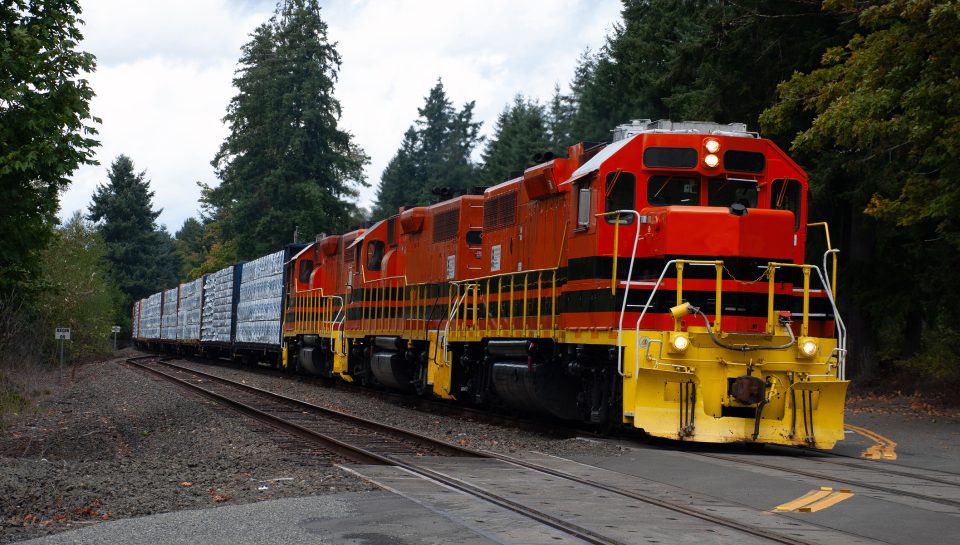
Rail networks are entering a period of heightened complexity. Regulatory uncertainty. Interchange constraints. Network realignment. Industrial reshoring. Capital discipline. In this environment, one factor has become increasingly clear:
Strong Short Line–Class I partnerships are not optional — they are strategic.
PraxiChain’s latest rail insight, The Strategic Importance of Short Line–Class I Railroad Partnerships, features expert perspectives from Derrick Smith, a 40-year rail industry leader with experience spanning Class I commercial strategy, industrial development, and private equity advisory.

Why this matters.
Short lines are often viewed as first- and last-mile operators. In reality, they are critical intelligence hubs, economic development catalysts, and performance multipliers within the North American freight network.
As outlined in this Q&A, strong alignment between short lines and Class I railroads directly impacts:
- Interchange fluidity and car velocity
- Industrial site selection and rail-served expansion
- Service reliability and contingency planning
- Truck-to-rail conversion opportunities
- Long-term network resilience
For industrial shippers, understanding this relationship is essential to protecting margin, improving service, and accelerating growth.
“The partnership between short line and Class I railroads… is essential to maintaining a viable, safe, and economical option for shippers to move freight across the country.” railroads… is es to – Derrick Smith, Project Manager
What You’ll Learn in this Brief
Inside the Q&A, Derrick addresses ten critical questions shaping rail strategy in 2026, including:
- Why Short Line–Class I partnerships matter more today than in the past decade
- The biggest misconceptions shippers have about short lines
- How interchange windows and data sharing improve velocity
- Where paper barriers still create opportunity
- How technology will reshape car tracking and demurrage visibility
- Why short lines are essential to shovel-ready industrial site development
- What must smaller short lines do to remain competitive
This is not theory. It is experience-based insight grounded in decades of rail leadership.
Strengthen Your Rail Network Performance
If your organization is evaluating rail strategy, improving interchange performance, or assessing industrial expansion opportunities, we welcome a conversation.
Contact PraxiChain to discuss:
- Rail network optimization
- Class I–Short Line alignment strategy
- Industrial site evaluation
- Rail-served capital investment decisions
- Demurrage and velocity improvement initiatives
Derrick Smith is a strategic leader with 30+ years of experience in private equity, advisory, industrial development, and Class I rail commercial strategy. He blends deep rail, financial, and board-level expertise to help clients evaluate growth opportunities,rail-served sites, and investment decisions. Derrick has led major capital programs, advanced industrial development across North America, and driven domestic and international revenue growth.



